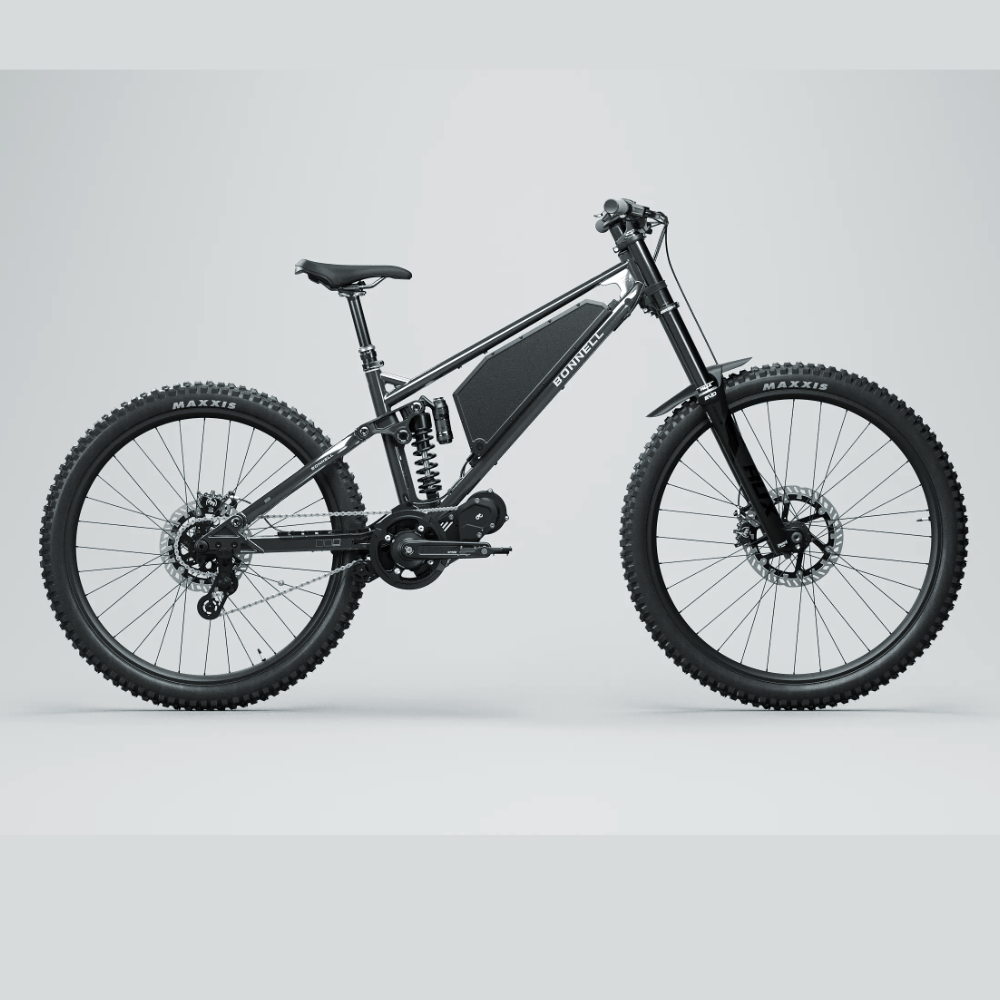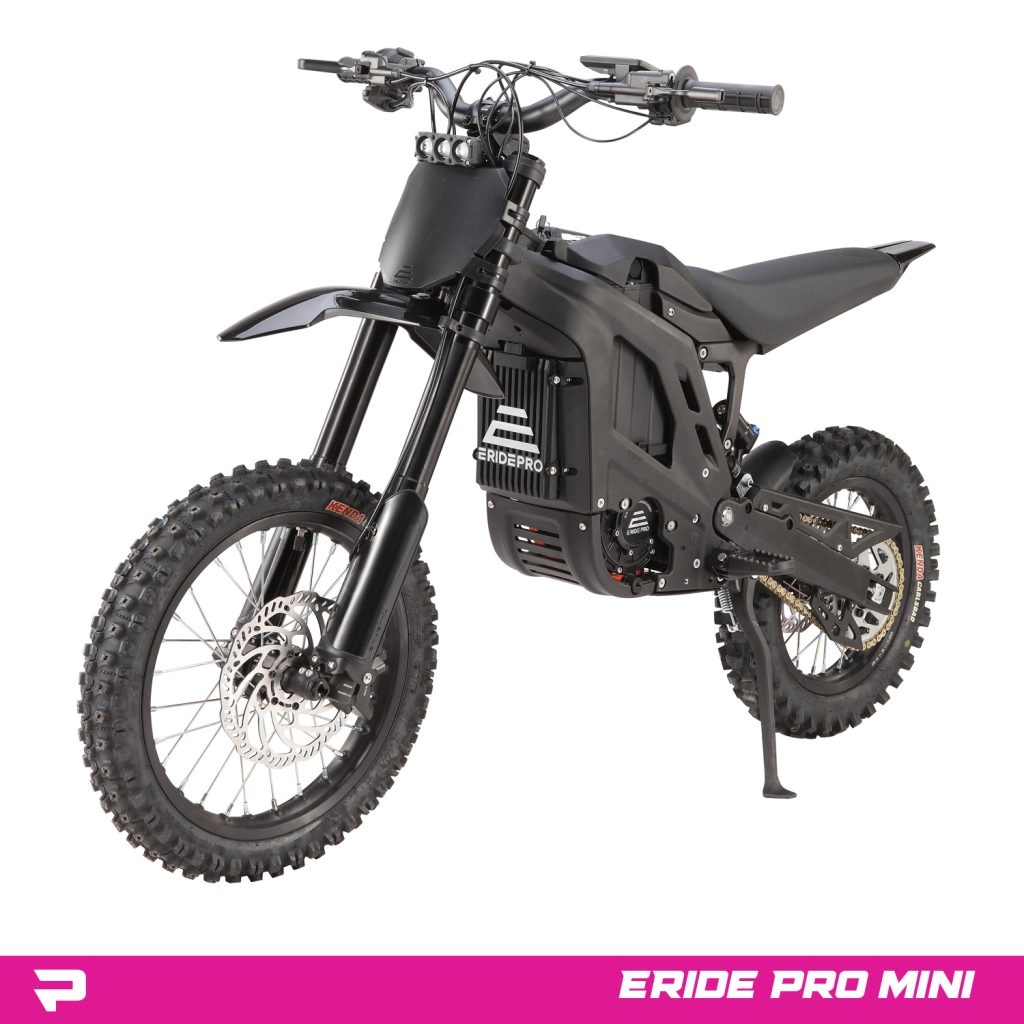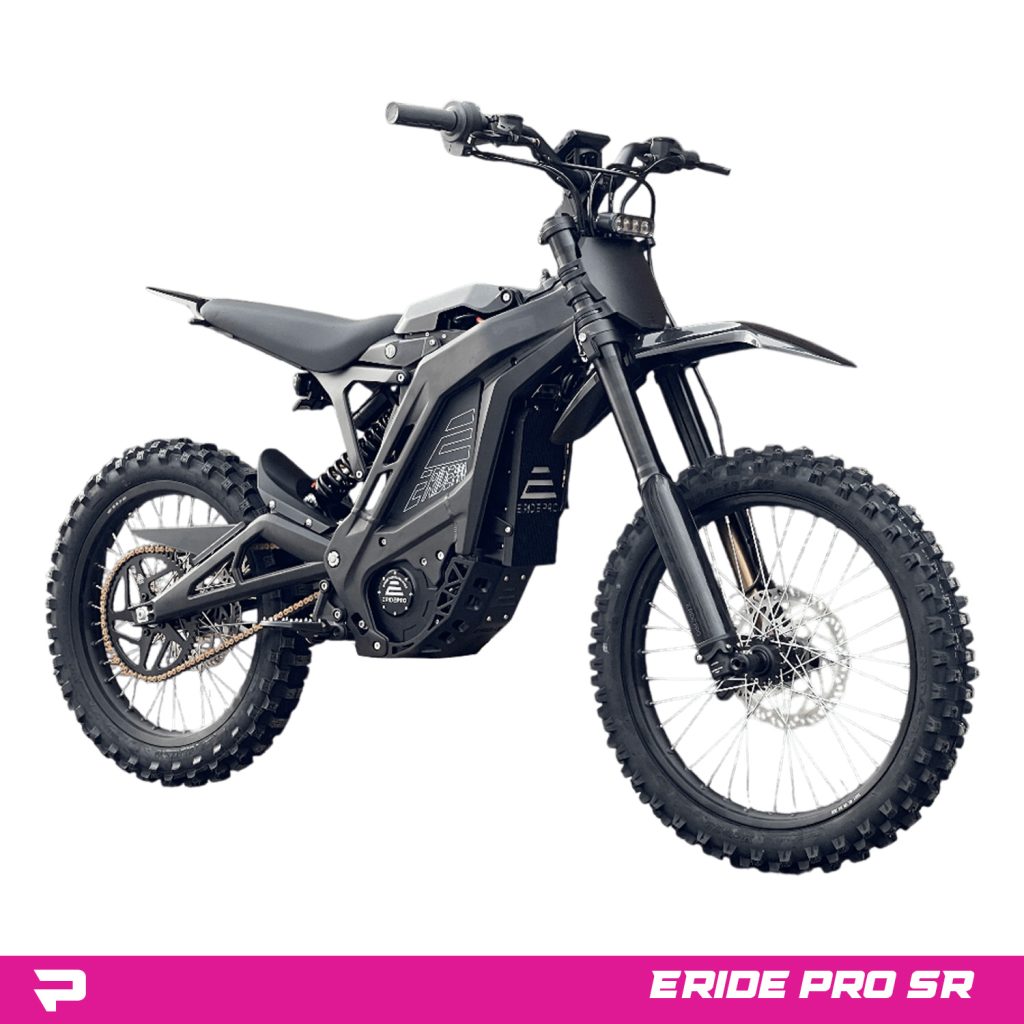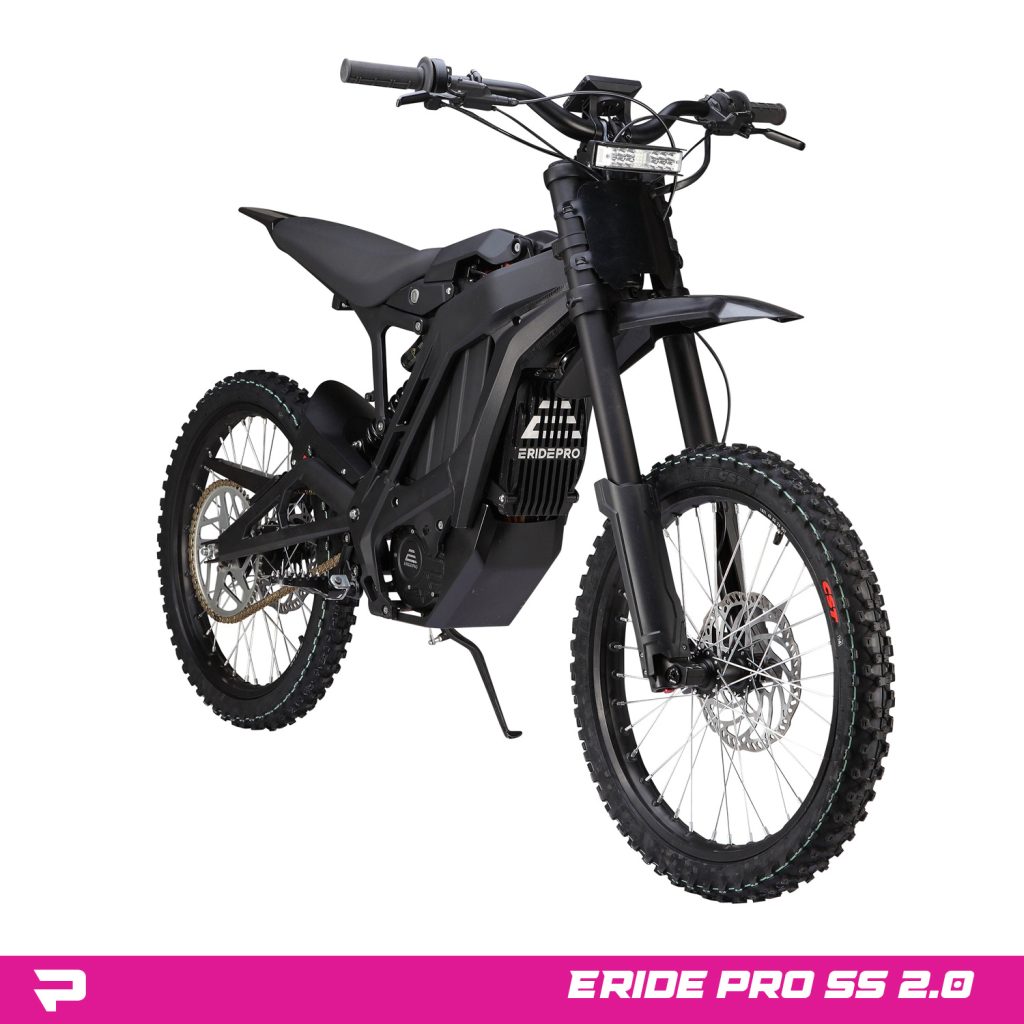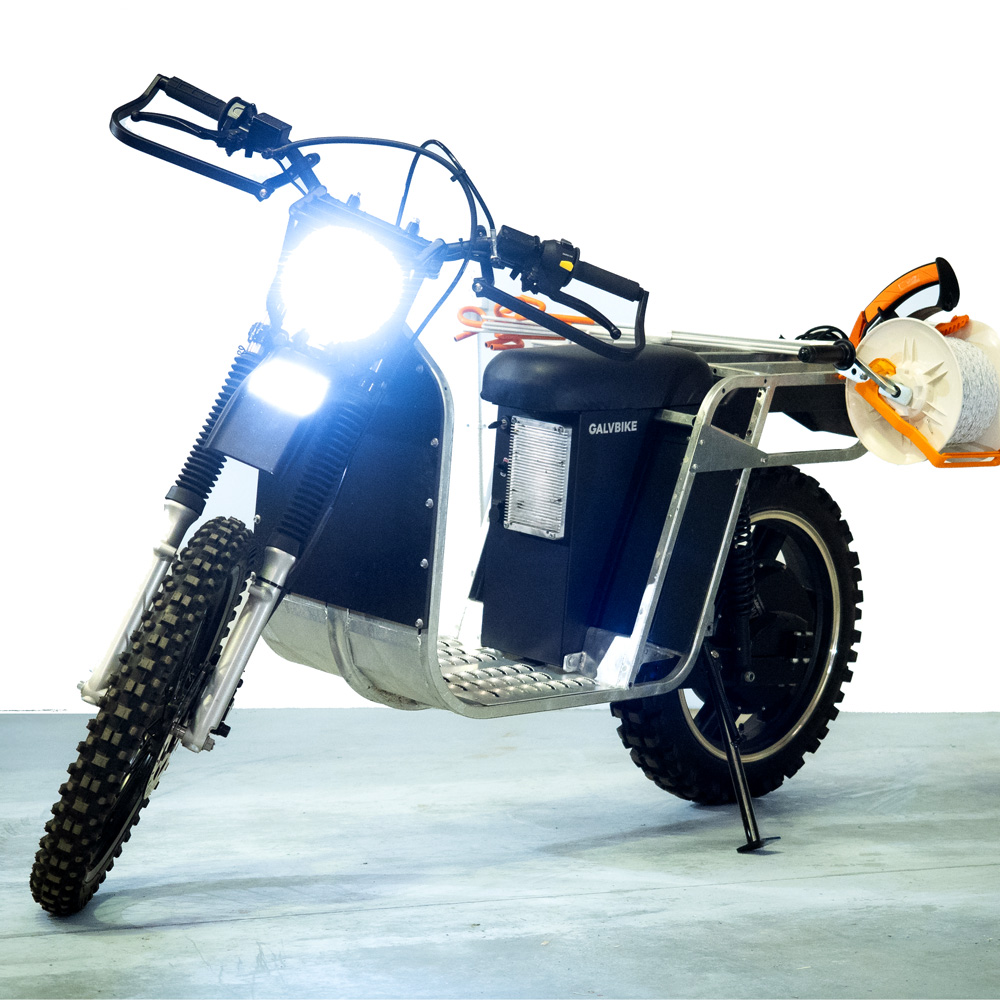
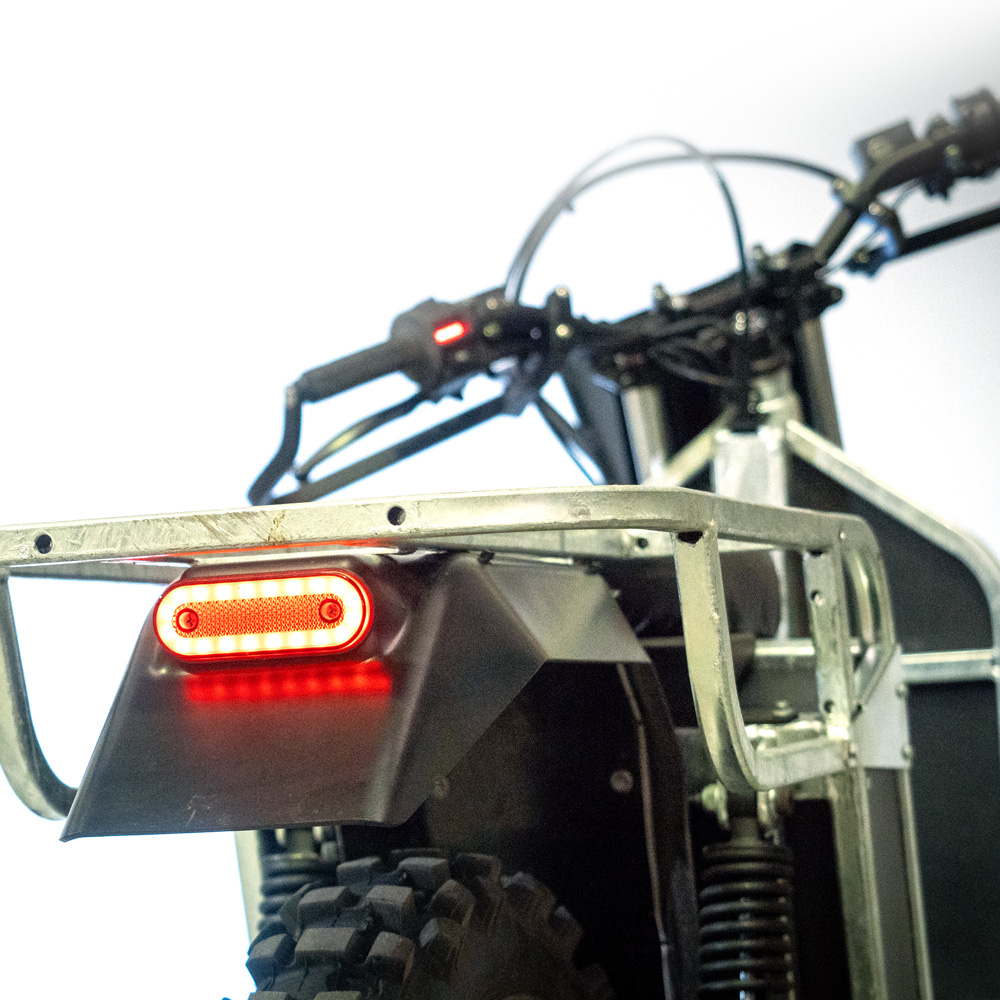
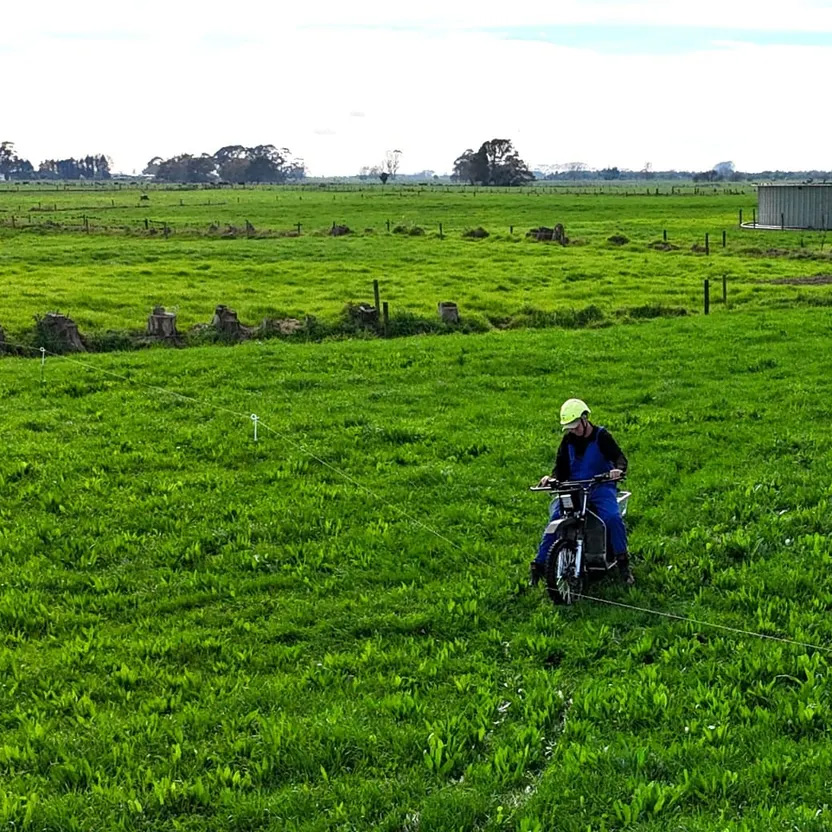
The Galvbike team are not mucking around. They wanted to build a tool you could treat like you dont have time, leave out in the rain all night, cover in mud and cow crap and rely on it being ready to go each day and survive the most brutal adversary, the farm worker.
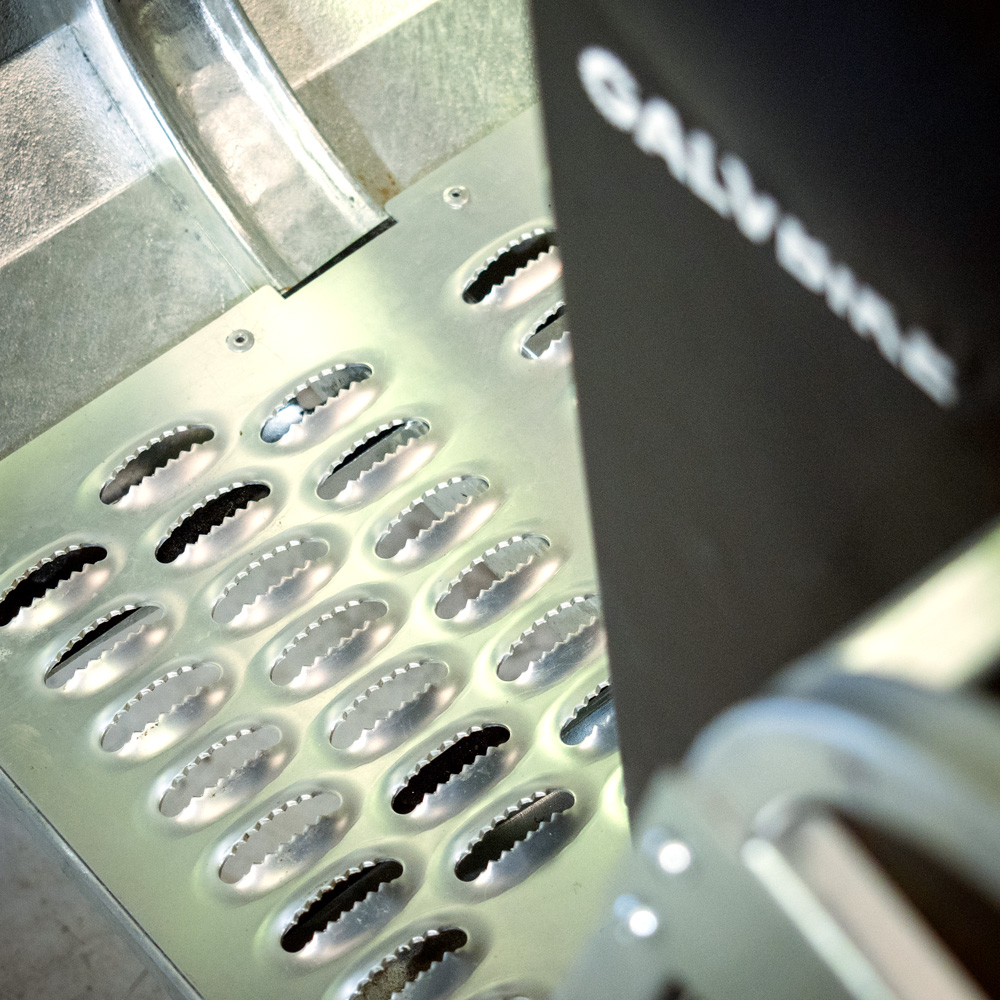
Galvanised right through – inside the tube as well as out. Paint chips, and once it does, a dairy environment gets underneath it and the rot starts. Galvanising does not work that way. This is the single biggest reason the bike is built the way it is: what finishes farm bikes in this country is not hours on the clock, it is water and effluent and the hose.
Run it flat every day and it keeps going
Lithium iron phosphate battery, chosen deliberately over lighter chemistries. LFP cells last thousands of charge cycles rather than hundreds, tolerate being run flat every day, and are markedly harder to push into thermal runaway – which matters when the bike lives in a hay shed.
Charges off any socket in the shed
The charger draws less than a jug. Plug it in after the afternoon milking and it is full before the morning one, for about a dollar.
Stop picking a line through ruts
Ground clearance enough to clear ruts, races and the lip of a culvert without picking a line. The suspension is old school conventional – forks and twin shocks – so a rural mechanic can service it without special training.
Brake pads that last a great deal longer
The motor does much of the slowing, particularly on long descents. Your brake pads last considerably longer as a result, and you get engine-braking-like control going downhill without touching a lever.
On and off it forty times a shift
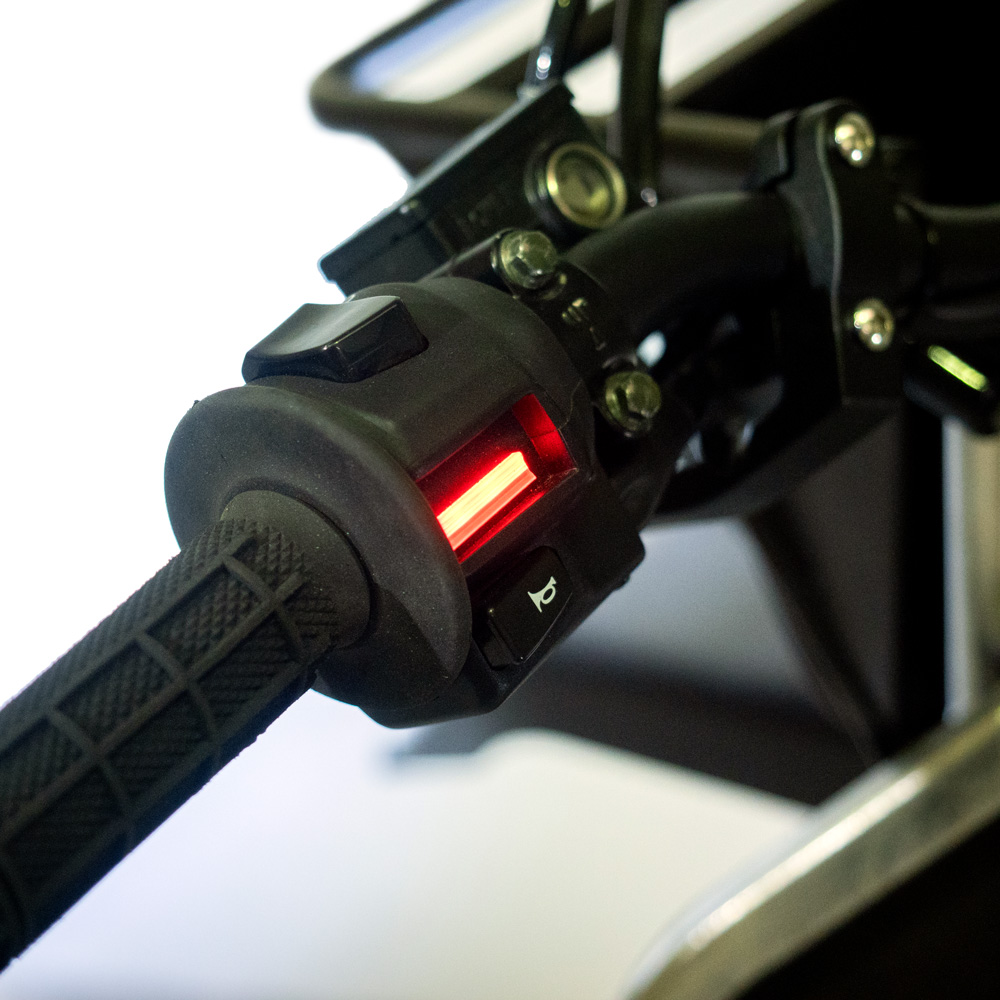
No leg swing over a loaded rack forty times a shift. No clutch and no gears – twist and go. And a reverse button for the gateway you nosed into and cannot turn around in.
Rear Tyre: 100/90-16
Wheelbase: 1,410 mm
Length: 2,040 mm
Width: 840 mm
Height: 1,120 mm
Seat Height: 830 mm
Ground Clearance: 268 mm
Weight with Battery: 112 kg